
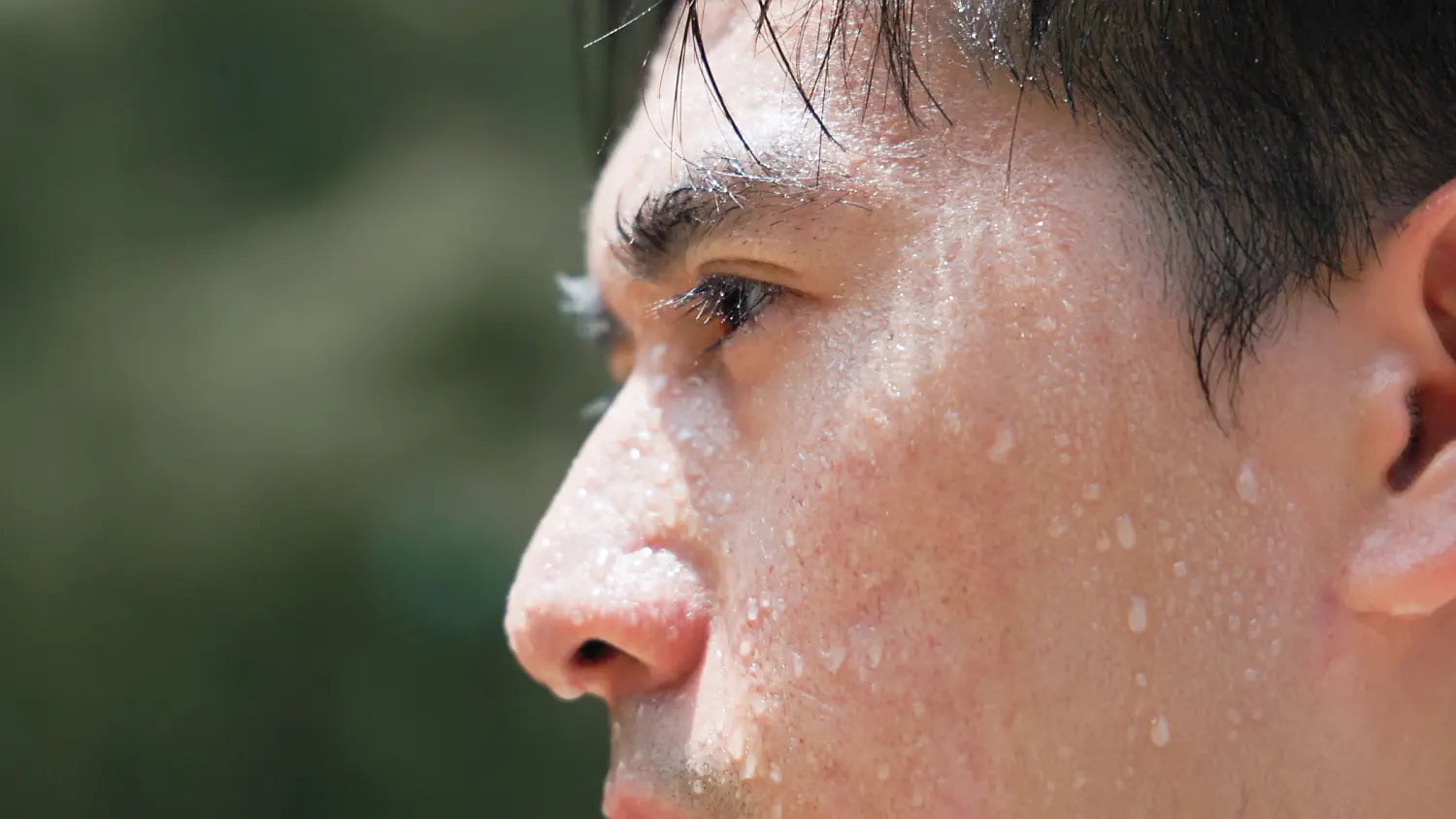
Why do potassium, magnesium, and calcium matter for hydration after sweating?
Potassium, magnesium, and calcium work alongside sodium to regulate fluid balance, nerve signaling, and muscle function when lost through sweat. Optimal hydration requires replacing all major electrolytes lost in sweat—sodium, potassium, magnesium, and calcium—not just sodium alone. Water alone cannot restore fluid balance when electrolytes are lost through sweat.
TL;DR
- Potassium maintains intracellular fluid balance while sodium handles extracellular retention
- Magnesium supports over 300 enzymatic reactions critical for muscle relaxation and energy production
- Most people lose 800mg of sodium per litre of sweat, plus meaningful amounts of potassium, magnesium, and calcium—not just trace amounts
- Calcium triggers muscle contraction and neuromuscular signaling, with sweat losses disrupting performance
- Effective hydration requires replacing electrolytes in amounts that meaningfully reflect sweat losses, not trace amounts
Staying hydrated after sweating isn't just about drinking more water. Here's the thing: when you sweat during exercise, hot work, or training, your body loses electrolytes along with fluid. Most people lose 800mg of sodium per litre of sweat, plus meaningful amounts of potassium, magnesium, and calcium—not just trace amounts. This is why water alone cannot restore fluid balance when electrolytes are lost through sweat. This article explains what actually happens in your body, when these electrolytes matter, and what effective replacement really requires.
Why Do Potassium, Magnesium, and Calcium Matter for Hydration?
These three minerals ensure water stays where your body needs it—inside cells, around muscles, and supporting nerve signals. Without them, you can drink all the water you want and still feel depleted.
Potassium lives primarily inside your cells, maintaining the osmotic balance that allows water to distribute properly across cell membranes. When you sweat, you lose potassium—and research shows these losses disrupt cellular hydration even when you're drinking plenty of water. Your cells literally can't hold onto the fluid they need.
Magnesium powers muscle relaxation and ATP production (your body's energy currency), while calcium triggers muscle contractions. Without replacing them after sweating, fatigue sets in faster, especially during heat exposure or endurance activities. Studies confirm that replacing multiple electrolytes sustains plasma volume better than replacing sodium or drinking water alone.

Optimal hydration requires replacing all major electrolytes lost in sweat—sodium, potassium, magnesium, and calcium—not just sodium alone. This synergy is what restores full function.
How Do Potassium, Magnesium, and Calcium Work in the Body?
Think of potassium and sodium as a tag team. Sodium pulls water into the space around your cells (extracellular), while potassium keeps your cells hydrated from the inside (intracellular). When sweat depletes potassium, this pump gets impaired, reducing muscle endurance and cellular function.
Magnesium acts as a cofactor in over 300 biochemical reactions, blocking fatigue by aiding nerve transmission and muscle relaxation. Magnesium losses during sweating contribute to fatigue and cramping, particularly during prolonged or repeated activity.
Calcium binds to troponin to enable muscle contraction strength. Calcium losses further impair neuromuscular signaling, leading to weaker contractions and reduced coordination.
When Do You Actually Need to Replace These Electrolytes?
The evidence-based answer is simpler than outdated guidance suggests: if you're sweating enough to drink, that fluid should contain electrolytes from the start. This ensures optimal absorption and retention throughout exercise, rather than spending the first 60-90 minutes with suboptimal hydration.
Three critical physiological realities explain why:
- Absorption takes time - Fluid requires 20-40+ minutes to move from your mouth to your bloodstream
- Sodium enables absorption - Without it, even the water you drink is poorly retained
- Performance decline starts early - Deficits as small as 1% body weight can impair output
The practical implication: start prehydrating with electrolytes 20-30 minutes before planned exercise. This means when you begin sweating, fluid is already being absorbed into your bloodstream rather than still sitting in your stomach. You're starting ahead instead of playing catch-up.
That said, certain conditions make electrolyte replacement even more critical:
Heat and humidity – Hot or humid conditions dramatically elevate sweat rate. Active individuals training in Australian summer heat can lose several grams of sodium per day, making both fluid and sodium intake critical for cardiovascular stability and thermoregulation.
High-intensity or repeated sessions – Interval training, competitive matches, or back-to-back training sessions compress substantial sweat losses into shorter time windows while reducing recovery time between efforts. Inadequate electrolyte replacement between sessions impairs subsequent performance.
Individual sweat characteristics – Some people have naturally higher sweat sodium concentrations or simply sweat more profusely, leading to pronounced salt residue on clothing and skin. These individuals experience earlier cramping or performance decline if electrolytes aren't replaced in line with their personal sweat profile.
Long-duration exercise – Continuous exercise lasting longer than 90 minutes produces cumulative sweat and electrolyte losses that make consistent replacement throughout the session essential rather than optional.
The key principle: you cannot retroactively fix 60 minutes of poor fluid absorption. Start electrolyte replacement 20-30 minutes before sweating begins, then continue throughout your session.
Why Don't Most Hydration Products Work?
Water alone cannot restore fluid balance when electrolytes are lost through sweat. Plain water dilutes plasma sodium and shifts fluid poorly between compartments. Studies show water-only hydration results in 20-40% less fluid retention compared to multi-electrolyte replacement.
Most commercial hydration products replace only 20-40% of sodium lost in sweat and contain minimal amounts of other essential electrolytes. They often rely on added sugar, which is not required for electrolyte absorption—sodium and glucose work independently in fluid transport.
Here's how different approaches stack up:
| Approach | Fluid Retention | Performance Impact |
|---|---|---|
| Water Only | Baseline | Declines after 1L sweat loss |
| Sodium-Only Products | +15-25% vs water | Partial recovery |
| Multi-Electrolyte Formulas | +30-65% vs water | Full neuromuscular restoration |
The gap is clear: single-electrolyte or water-only approaches leave you depleted.
Key Takeaways
- Most people lose 800mg of sodium per litre of sweat, plus meaningful amounts of potassium, magnesium, and calcium—not just trace amounts
- Potassium maintains intracellular hydration—without it, your cells can't hold onto water properly
- Water alone cannot restore fluid balance when electrolytes are lost through sweat
- Magnesium and calcium losses cause cramping and weak muscle contractions—replace them in amounts that meaningfully reflect sweat losses to maintain performance
- Multi-electrolyte replacement retains 30-65% more fluid than water or sodium-only approaches
- If you're sweating enough to drink, that fluid should contain electrolytes from the start—absorption takes 20-40+ minutes
Frequently Asked Questions
Do I need potassium, magnesium, and calcium if I drink sports drinks?
Most sports drinks under-replace sodium by 60-80% and provide only trace amounts of other electrolytes. Optimal hydration requires replacing all major electrolytes lost in sweat—not just sodium alone. Full multi-electrolyte replacement prevents fatigue and supports better recovery.
Do sweat electrolyte losses vary between people?
Yes. Sweat electrolyte losses vary widely based on genetics, heat, acclimation and activity. This is why effective hydration focuses on replacing all key electrolytes rather than targeting exact numbers.
Can drinking water alone fix dehydration after sweating?
No. Water alone cannot restore fluid balance when electrolytes are lost through sweat. Drinking plain water dilutes your blood mineral levels, which delays recovery and worsens dehydration.
Why do I cramp despite drinking plenty of water?
Exercise-associated muscle cramps signal electrolyte imbalance, particularly gaps in magnesium, calcium, or potassium. Effective hydration requires replacing electrolytes in amounts that meaningfully reflect sweat losses, not trace amounts. Drinking water without electrolytes ignores the physiological synergies your muscles need.
Is sugar needed for electrolyte absorption?
No. Sugar is not required for electrolyte absorption—sodium and glucose work independently in fluid transport. Clean, sugar-free electrolyte formulas are effective for hydration without the unnecessary additives.
When should I start replacing electrolytes during exercise?
From the start of any session where sweating occurs. Fluid absorption takes 20-40+ minutes, and performance can decline at just 1% body mass loss. Waiting until later leaves you behind physiologically due to absorption delays and early electrolyte loss.
When should tradies or athletes prioritize replacing these electrolytes?
During any activity where you're sweating heavily—electrolyte replacement should begin as soon as sweating starts, regardless of duration. Australian summers amplify these losses, so full replacement is essential for sustained performance and safety.
Does fasting increase the need for these electrolytes?
Yes. Low-carb or fasting states increase electrolyte excretion through the kidneys. Replacing sweat losses becomes even more important to avoid fatigue, brain fog, and muscle weakness—and proper electrolyte replacement won't break your fast.
References
-
Maughan, R. J., Burke, L. M., Dvorak, J., et al. (2018). Emerging perspectives on post-exercise recovery nutrition. Sports Medicine, 48(Suppl 1), 1–15. https://pmc.ncbi.nlm.nih.gov/articles/PMC11643565/
-
Baker, L. B. (2019). Physiological mechanisms determining eccrine sweat composition. Journal of Applied Physiology, 127(6), 1520–1532. https://pmc.ncbi.nlm.nih.gov/articles/PMC7125257/
-
Adrogué, H. J., & Madias, N. E. (2023). Electrolytes. StatPearls [Internet]. Treasure Island (FL): StatPearls Publishing. https://www.ncbi.nlm.nih.gov/books/NBK541123/
-
Rowlands, D. S., et al. (2018). Role of functional beverages on sport performance and recovery. Nutrients, 10(1), 37. https://pmc.ncbi.nlm.nih.gov/articles/PMC6213308/
-
Evans, G. H., & James, L. J. (2023). Fluid retention following ingestion of electrolyte-containing beverages. European Journal of Applied Physiology, 123(4), 789–802. https://pmc.ncbi.nlm.nih.gov/articles/PMC10781183/
-
Juddelson, D. A., et al. (2007). Hydration and muscular performance: Does fluid balance affect strength, power and high-intensity endurance? Sports Medicine, 37(10), 907–921. https://pmc.ncbi.nlm.nih.gov/articles/PMC6090881/
-
Maughan, R. J., & Shirreffs, S. M. (2010). Development of hydration strategies to optimize performance for athletes in high-intensity sports and prolonged exercise. Scandinavian Journal of Medicine & Science in Sports, 20(Suppl 2), 59–69. https://pmc.ncbi.nlm.nih.gov/articles/PMC5371639/
-
Cheuvront, S. N., & Kenefick, R. W. (2014). Sweat loss and replacement during exercise. Sports Science Exchange, 27(128), 1–6. https://pmc.ncbi.nlm.nih.gov/articles/PMC6773238/
Share:
Sodium and Hydration: Why This Electrolyte Drives Fluid Balance